What Makes TimeWalker Fotona 4D Laser Facial Unique in Encino, CA?
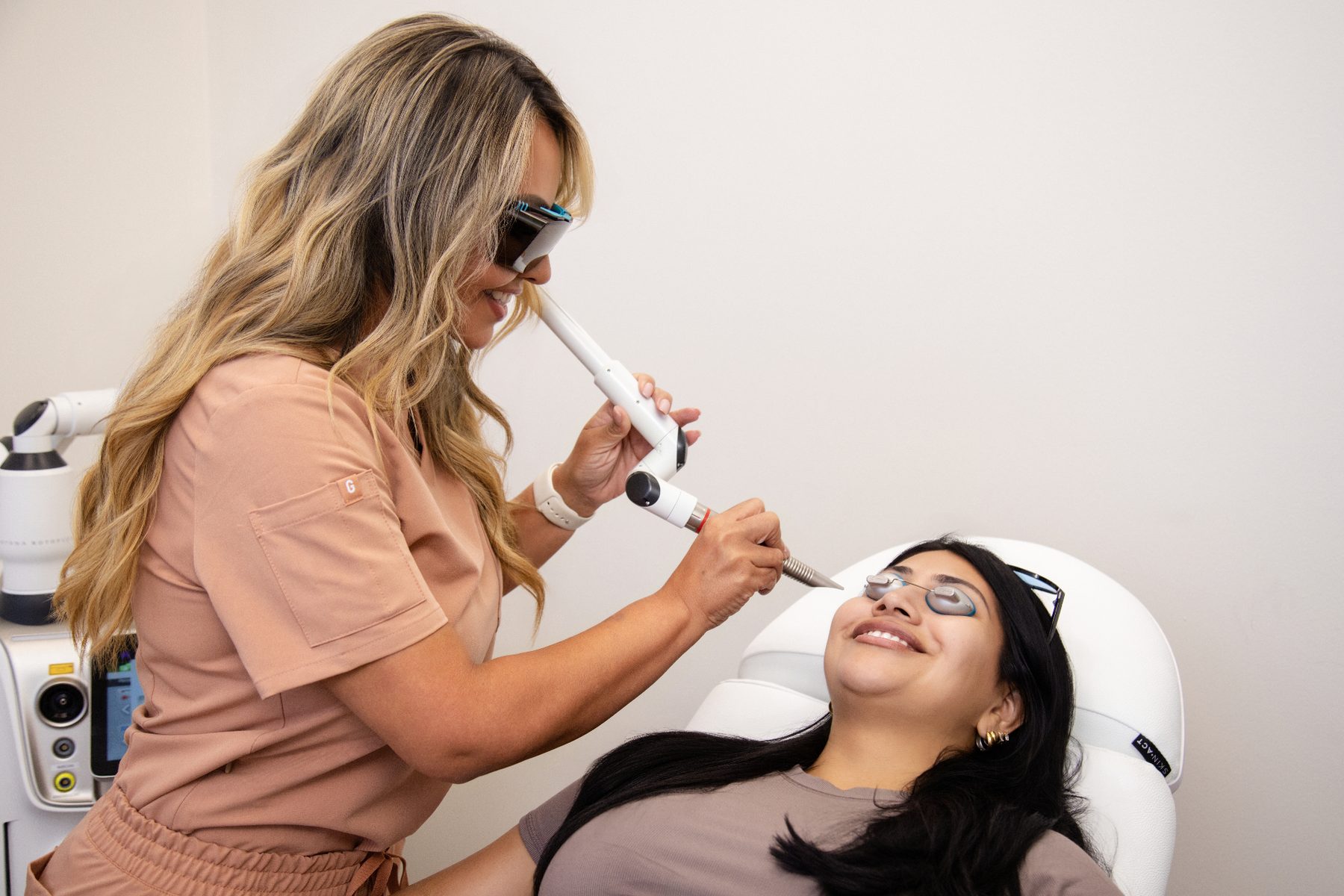
Anyone comparing non-surgical skin treatments in Encino will run into a familiar problem. Many procedures promise tightening, brightening, collagen support, and little downtime, yet the actual treatment experience can vary dramatically from one device, one provider, and one patient to the next. That is exactly why the TimeWalker Fotona 4D approach stands out. It is not simply another laser facial with a polished name. It is a layered treatment concept that addresses the skin from multiple depths and angles, with a level of flexibility that matters in real practice.
The phrase Fotona 4D Laser Facial (TimeWalker) Encino, CA tends to catch attention because people want visible improvement without committing to surgery, extended recovery, or treatments that only scratch the surface. What makes this option distinctive is the way it combines separate laser modes into one session, each with a different job. Instead of chasing one concern in isolation, it can target texture, tone, laxity, and facial support in a more integrated way.
That matters in a place like Encino, where aesthetic patients are often well informed, schedule conscious, and less interested in trends than in treatments that fit real life. Many want to look refreshed at work, at dinner, in daylight, and on video calls, not just under flattering lighting. A treatment that can improve skin quality while also supporting firmness has obvious appeal, but its real uniqueness comes from how it is performed and who it suits.
It is a four-dimensional treatment, not a single-pass facial
One reason patients are surprised by TimeWalker Fotona 4D is that it does not feel like a standard “laser facial.” A basic laser facial often focuses mainly on the skin surface or one particular issue, such as pigment or redness. Fotona 4D, by contrast, was designed as a sequence of complementary treatment modes. Each mode works at a different depth or with a different tissue effect.
In practical terms, this means the treatment can move from inside the mouth to the deeper dermis, then to targeted surface correction, then to a finishing polish. That progression is unusual. It is one of the main reasons people notice a result that feels more complete rather than piecemeal.
The “4D” concept generally refers to four distinct steps often associated with the Fotona system: an intraoral tightening phase commonly known as SmoothLiftin, a deeper volumizing or heating phase, a fractional step for targeted imperfections, and a lighter resurfacing finish. Not every patient receives the exact same intensity or emphasis at each stage, and that flexibility is part of its value. A person with early cheek laxity and fine lines around the mouth may need a different balance than someone whose main issue is rough texture and a tired-looking complexion.
This is where the treatment separates itself from many branded facials. The name matters less than the customization behind it.
The inside-out approach is genuinely different
The intraoral component is often the part people remember because it is not something most facials or laser sessions offer. Treating from inside the mouth allows the provider to heat tissue in the cheek and perioral area without directly injuring the outer skin barrier in the same way an aggressive resurfacing treatment might. For the right patient, this can support a subtle lifting or tightening effect around the nasolabial folds, marionette region, and midface.
That sounds technical, but the practical takeaway is simple. Instead of only working from the outside in, TimeWalker Fotona 4D also works from the inside out.
Patients in their late 30s to early 60s often describe a familiar complaint: “I do not look old exactly, but everything seems softer, heavier, or more tired.” They may not need surgery, and filler may not be the right answer if the skin itself lacks elasticity or the face is starting to flatten in an uneven way. In those cases, the intraoral element adds a dimension that makes the treatment feel more structural, not just cosmetic.
It is worth being realistic here. No laser facial, even a sophisticated one, can replace a surgical facelift when laxity is pronounced. But that is not really the comparison most Encino patients are making. More often, they are deciding between doing nothing, trying a basic facial or peel, getting multiple separate devices over time, or choosing a treatment that addresses several layers in one plan. In that comparison, the inside-out method gives Fotona 4D a clear identity.
It can treat multiple concerns in one appointment
A lot of facial rejuvenation fails not because the technology is poor, but because the treatment plan is too narrow. Skin aging rarely shows up as a single issue. Texture changes, fine lines, early sagging, enlarged pores, mild sun damage, and dullness tend to arrive together. When one treatment only addresses one variable, the overall result may feel incomplete.
TimeWalker Fotona 4D is unique because it was built around the idea that rejuvenation should be multi-layered. A patient might come in bothered by smile lines, but the provider may also see crepey skin near the eyes, diffuse roughness on the cheeks, or a slight loss of definition along the jawline. The treatment can be adjusted to support collagen remodeling at depth while also refining superficial irregularities.
From a patient perspective, this often translates into better efficiency. Instead of spacing out several different treatments over months just to cover the basics, there is potential to address a broader range of concerns in a single session or short series. That does not always mean fewer total visits, since maintenance still matters, but it can mean a more coherent plan.
This is especially relevant in Encino, where many patients balance aesthetic goals with professional and family schedules. People want improvement, but they also want treatments that respect their calendar. A well-executed 4D session can be easier to fit into life than a more aggressive resurfacing procedure with a longer visible recovery.
The downtime profile is often easier than patients expect
One of the strongest appeals of this treatment is the balance it tries to strike between meaningful stimulation and manageable recovery. Patients often hear the word “laser” and assume they will be hiding for one to two weeks. That can happen with some resurfacing devices, especially ablative treatments done aggressively, but Fotona 4D is often chosen because it Fotona 4D Laser Facial (TimeWalker) Encino, CA can produce visible rejuvenation without that level of downtime.
Recovery depends on settings, skin sensitivity, and the aggressiveness of the fractional or polishing stages. Some people look mildly flushed for a day or two. Others may experience a sandpapery feel, subtle swelling, or dry flaking, especially around the mouth and cheeks. In experienced hands, this is usually much more manageable than the downtime associated with more intense resurfacing.
That said, “no downtime” is often oversold in aesthetics. Anyone who works with lasers long enough learns that patient expectations around recovery need precision, not slogans. A trial attorney who is in court the next morning, a bride with multiple events that week, and a parent who coaches outdoors on the weekend all experience downtime differently. What looks minor to one person feels disruptive to another. TimeWalker Fotona 4D tends to fit best for patients who want a visible but not dramatic recovery period, and who understand that collagen-based improvements build gradually.
The treatment can be tailored to different ages and skin goals
Another reason this modality stands out is its range. It is not reserved for one age group or one “ideal candidate” profile. Younger patients may pursue it for prevention and refinement, especially if they are starting to notice early textural changes or the first signs of looseness around the lower face. Patients in midlife often use it as part of a collagen-maintenance strategy, sometimes alongside injectables or skincare. More mature patients may choose it because they want improvement but are not ready for surgery.
The key distinction is not age alone. It is tissue quality, expectations, and the larger treatment plan.
For example, a 42-year-old with mild laxity, sun exposure, and visible pores may respond beautifully because the treatment can address all three concerns at once. A 58-year-old with significant jowling may still like the skin-brightening and smoothing effects, but should be counseled honestly that the lifting will be modest. A 35-year-old who wants to look less tired on camera may appreciate the subtle tightening and glow without changing facial identity.
That last point matters more than many people realize. Some procedures alter the face in obvious ways. TimeWalker Fotona 4D generally appeals to patients who want to look more rested, tighter, and clearer, not obviously “done.”
Encino patients often value subtlety over spectacle
Aesthetic preferences are local. Even within Los Angeles, expectations differ from one neighborhood to another. Encino tends to attract patients who want polished results that still read as natural. They may be very educated about treatments. They often ask specific questions about downtime, layering with other procedures, and how a result will age over time. They are usually not looking for a flashy one-week transformation that leaves the skin overtreated. They want consistency, maintenance, and a treatment they can repeat sensibly.
TimeWalker Fotona 4D fits that mindset well because its best results are usually cumulative and believable. It does not rely on one dramatic event. It supports gradual improvement in skin firmness, texture, and brightness, especially when paired with disciplined skincare and sensible sun protection.
In actual practice, this often leads to higher satisfaction among the right patients. They understand that collagen remodeling is not instant. They notice that makeup sits better, pores look softer, the lower face appears a little firmer, and the whole complexion looks less fatigued. Sometimes the first compliment they get is not “Did you have laser done?” but “You look really well rested.” For many people, that is exactly the point.
The platform matters, but the provider matters more
A strong device in inexperienced hands can still disappoint. This is especially true with a treatment like Fotona 4D, where the sequence, fluence, pass count, treatment overlap, and patient selection all influence the result. The technology is sophisticated, but it is not autopilot.
A seasoned provider knows when to emphasize tightening versus resurfacing, when to hold back around reactive skin, and when another modality would simply be a better choice. They also know the traps. Patients with unrealistic expectations, active irritation, recent sun exposure, or untreated melasma risk may not be good candidates for an aggressive approach. Likewise, someone with deeper static lines may need combination therapy rather than a laser-only plan.
This is one area where consultation quality tells you almost everything. A thoughtful provider will ask about your timeline, prior treatments, history of pigment issues, skincare routine, and tolerance for downtime. They should also be comfortable saying, “This can help, but it will not replace surgery,” or “Your texture will improve faster than your laxity.” Those are not sales objections. They are signs of good judgment.
Where it fits among other popular options
Patients often compare TimeWalker Fotona 4D with microneedling radiofrequency, fractional resurfacing, ultrasound tightening, or injectable treatments. Each has a place, and none is universally superior. What makes Fotona 4D unique is that it occupies a useful middle ground.
It can provide more tissue versatility than a simple brightening facial. It can be gentler in downtime than a heavier resurfacing laser. It can support tightening without relying solely on energy delivered from the skin surface. And unlike filler, it is working on skin behavior and collagen response rather than adding volume directly.
That does not mean it replaces all other tools. It often works best as part of a layered aesthetic strategy. Some patients do TimeWalker sessions seasonally and use neuromodulators for expression lines. Others pair it with conservative filler, biostimulatory injectables, or a pigment-focused treatment later. The most successful plans usually come from understanding what each treatment can and cannot do.
Here is where Fotona 4D tends to shine most clearly:
- early to moderate facial laxity
- fine lines around the mouth and lower face
- uneven texture and enlarged pores
- dull skin that needs collagen support
- patients who want visible improvement with moderate downtime
That list is not a promise, but it captures the profile many clinics see repeatedly.
The experience is more comfortable than many expect, but not identical for everyone
Comfort is a practical issue, not a marketing detail. Most patients tolerate the treatment well, especially when the provider prepares the skin properly and explains the different phases beforehand. The sensation changes during the session. The intraoral stage can feel warm and unusual. The deeper heating passes often create a gradual buildup of heat. The fractional or superficial passes may feel pricklier.
People with low pain tolerance usually want to know whether they will need strong numbing. The answer depends on settings and on how comprehensive the treatment is that day. Many patients do well with topical numbing and cooling measures, though individual protocols vary. Someone treating a broad area more aggressively may have a different experience than someone getting a lighter maintenance session.
What matters is that comfort expectations are set honestly. “Painless” is rarely the best word for energy-based procedures. “Tolerable and manageable” is usually more accurate.
Results tend to build, and that is part of the appeal
One common misconception is that if a result is not dramatic in seventy-two hours, the treatment failed. Collagen-based procedures do not work that way. Some people do notice an early glow or mild tightness quickly, usually from initial tissue contraction and surface smoothing. The more meaningful improvements generally unfold over several weeks to a few months as collagen remodeling progresses.
That slower timeline is not a drawback for everyone. Many Encino patients prefer it. Their face does not change overnight. It improves in a way that looks plausible. Friends may notice they look fresher, but cannot identify a single altered feature.
A realistic treatment plan often involves a series, particularly when the goals include both tightening and texture refinement. Maintenance then depends on age, sun exposure, skincare, and baseline tissue quality. Patients who treat once and expect permanent lift are usually disappointed. Patients who view it as part of long-term skin management tend to be the happiest.
Good candidacy depends on skin behavior, not just skin type
Laser candidacy is rarely as simple as checking a box by age or concern. The provider has to think about how a patient’s skin behaves. Do they pigment easily after inflammation? Are they currently using potent retinoids or exfoliants? Have they had recent tanning or significant UV exposure? Do they get cold sores around the mouth? Are they trying to address diffuse redness, melasma, deep laxity, or all three at once?
These details matter because they shape the safest and smartest protocol. In a community like Encino, where people are active outdoors year-round and often combine multiple treatments, timing becomes important. A patient doing a laser treatment right before a desert weekend, a beach trip, or an event-heavy week may not get the experience they hoped for.
This is one reason the treatment feels unique when it is done well. It is not just a device, it is a plan. The provider adjusts energy, sequence, timing, and aftercare to fit the patient’s skin and schedule.
Why the treatment keeps earning attention in Encino
The demand for treatments that bridge the gap between facials and surgery is not going away. Patients want collagen support, skin refinement, and a fresher appearance without obvious intervention. TimeWalker Fotona 4D answers that demand in a way that feels more comprehensive than many alternatives.
Its uniqueness comes from several places at once: the layered four-step design, the intraoral component, the balance between tightening and resurfacing, the relatively manageable downtime for many patients, and the ability to customize based on real-world anatomy and goals. In a market full of aesthetic buzzwords, that combination gives it staying power.
The treatment is not magic, and it is not ideal for every face. That honesty is part of what makes it valuable. For the right Encino patient, it offers something difficult to find in one appointment: subtle lift, better texture, a brighter complexion, and a result that still looks like your own face, just less tired and more supported. That is a meaningful distinction, and it is the reason the TimeWalker version of the Fotona 4D concept continues to stand out.
OMNIA Wellness Center
16430 Ventura Blvd Ste 207, Encino, CA 91436
Phone: +1 818-386-8511
FAQ About Fotona 4D Laser Facial (TimeWalker) Encino, CA
What is a Fotona laser good for?
Fotona lasers support several different aesthetic protocols. The Fotona 4D facial uses two wavelengths and four treatment modes to address concerns such as fine lines, skin texture, and mild laxity. OMNIA Wellness Center offers the TimeWalker facial with an individual consultation. Suitability and likely improvement depend on the person's skin and goals; results are not guaranteed, and this treatment does not reproduce a surgical facelift.
How much does a Fotona laser treatment cost?
The cost depends on the treatment protocol, areas treated, number of sessions, and provider's assessment. Ask OMNIA Wellness Center for a current written quote that explains what is included, whether follow-up is included, and any proposed package terms. An individualized estimate is more useful than assuming that one advertised price applies to every facial treatment.
How much downtime is there after a Fotona laser procedure?
Recovery varies with the specific protocol and intensity. Fotona describes its 4D facial as having little to no downtime, but temporary redness or sensitivity can occur, and a stronger surface treatment can require more recovery. Ask the treating clinician what to expect from the planned settings, how to care for the skin afterward, and when to contact the clinic with concerns.