Is the Fotona 4D Laser Facial (TimeWalker) Worth It?

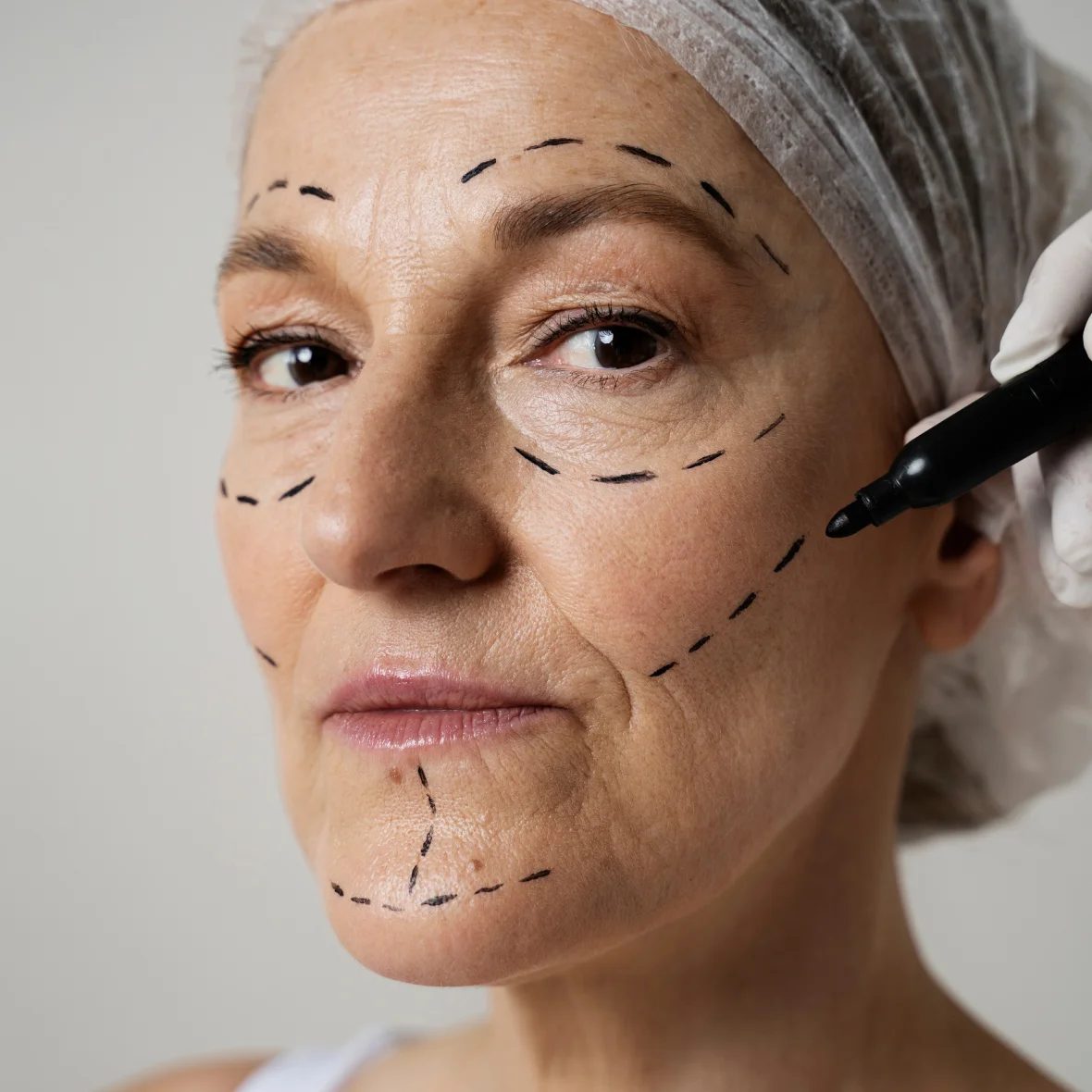
The short answer is that it can be, but only for the right person, with the right skin concerns, and in the right hands.
That caveat matters more than the marketing. The Fotona 4D Laser Facial, sometimes performed on the TimeWalker platform, sits in an interesting middle ground. It is not a surgical facelift, and it is not a quick, fluffy “lunchtime facial” in the ordinary sense either. It is a layered laser treatment designed to improve texture, tone, laxity, and overall skin quality with less downtime than aggressive resurfacing and more ambition than a standard facial or light peel.
If you are wondering whether it justifies the cost, the answer depends on what you expect it to do. People are often drawn to it because the name suggests a dramatic lift, and some clinics market it that way. In practice, the best results tend to be subtler and more cumulative: smoother skin, softer lines, improved glow, some tightening, and better definition in patients with mild to moderate aging changes. When those are the goals, it can be a very strong treatment. When the goal is to erase deep folds, lift heavy jowls, or produce one-and-done transformation, disappointment is much more likely.
What the treatment actually is
Fotona 4D is not a single laser pass. It is a multi-step protocol that usually uses Er:YAG and Nd:YAG wavelengths in a sequence aimed at different tissue depths. Depending on the provider, settings are customized, and not every treatment looks exactly the same. That is one reason real-world experiences can vary more than brochures suggest.
The classic concept includes several stages. One of the more distinctive parts is the intraoral step, often described as SmoothLiftin, where the provider treats from inside the mouth to stimulate collagen in the tissue around the nasolabial folds and perioral area. Patients are often intrigued by this because it sounds futuristic, but the practical purpose is simple: to heat tissue from a different angle without breaking the skin externally in that area.
The external passes usually target deeper dermal heating, textural refinement, and superficial resurfacing. Some providers lean heavily into tightening. Others emphasize brightness and pore refinement. If you hear the same treatment described as both a non-surgical facelift and a red-carpet glow-up, that is because it can be tuned in different directions.
The TimeWalker name adds another layer of confusion. In many conversations, patients use Fotona 4D Laser Facial (TimeWalker) as if they are interchangeable. Strictly speaking, TimeWalker refers to a platform or branded treatment ecosystem from Fotona, while Fotona 4D refers to a specific four-step facial rejuvenation concept. In a clinic setting, what matters less is the label and more what your provider actually plans to do on your skin.
Why some patients love it
The people who tend to be happiest with Fotona 4D are usually not chasing dramatic correction. They want improvement that reads as fresher, tighter, smoother, and healthier rather than obviously “done.”
That distinction is important. Good laser work often succeeds because other people cannot quite identify why your skin looks better. The texture is a little finer. Makeup sits better. The lower face looks less tired. The mouth area seems less creased. Those are meaningful changes, especially for patients in their thirties, forties, and early fifties who are not ready for surgery and do not want the downtime of stronger ablative resurfacing.
There is also an appeal in how comprehensive the treatment can be. Instead of treating only pigment, only laxity, or only superficial roughness, the protocol attempts to address multiple signs of aging at once. In experienced hands, that layered approach often produces a more cohesive result than doing a single mild treatment over and over without a larger plan.
I have seen patients who came in expecting very little because they had already spent years cycling through facials, light peels, radiofrequency sessions, and expensive skincare. For some of them, Fotona 4D felt like the first treatment that moved the needle enough to justify the appointment. Not because they looked ten years younger overnight, but because the skin finally looked denser and more polished in a way they could see without squinting at a magnifying mirror.
Where the treatment gets oversold
This is where judgment matters.
The phrase “non-surgical facelift” is catchy, but it sets a trap. A true facelift repositions tissue. A laser does not do that. A laser can stimulate collagen, improve skin quality, and create some degree of tightening, especially in early laxity. That is valuable, but it is not the same category of change.
Someone with heavier lower-face descent, deeper marionette lines, or pronounced jowling may still see benefit, but the improvement is often limited. If that person is paying premium pricing because they were led to believe they would get surgery-like results, the treatment may feel very underwhelming.
The same goes for etched lines. Fine crepiness and early wrinkling tend to respond better than deep static folds. Skin texture often improves faster than actual structural sagging. Clinics that explain this clearly tend to have happier patients than clinics that lean on dramatic before-and-after language.
There is another source of mismatch: many patients hear “laser facial” and assume a relaxing, low-intensity treatment with no social downtime. Fotona 4D is not generally brutal, but it is still a real laser procedure. The degree of redness, swelling, dryness, or rough texture afterward depends on settings, skin sensitivity, and how aggressive the superficial pass is. Some people are presentable the next day with a bit of pinkness. Others need several days before their skin looks camera-ready.
What results are realistic
For the right candidate, the gains usually show up in several areas at once.
Skin can look smoother and more reflective because the surface texture improves. Fine lines, especially around the mouth and cheeks, may soften. Pores can appear a bit tighter. Mild laxity can improve enough that the face looks less fatigued. Some patients notice that the skin feels firmer when they wash or apply products, which is a small but telling sign of collagen remodeling.
The full result is rarely immediate. There is often an early glow, partly from mild swelling and surface renewal, but the tightening and collagen-related changes tend to evolve over weeks to months. That delayed payoff is normal, though it requires patience. Patients who expect a dramatic transformation by the next weekend often misjudge the treatment.
It is also worth saying that most people get the best value from a series, not one isolated session. Clinics vary, but it is common to recommend several treatments spaced weeks apart, then maintenance once or twice a year depending on age, skin quality, sun damage, and how aggressively the initial course was done. That can make the cost more significant than the advertised per-session price suggests.
The pain, downtime, and day-after reality
Pain is one of those topics where every clinic undersells and every online forum overdramatizes.
Most patients tolerate Fotona 4D reasonably well, but “comfortable” is subjective. The intraoral portion can feel unusual more than painful. The deeper heating passes are often described as hot and prickly. The superficial pass can be the spiciest part, especially near the nose, mouth, and thinner skin. Numbing protocols differ. Some providers use topical anesthetic, some do not need much, and some tailor the plan to your tolerance.
Downtime is usually moderate rather than severe, but it is not always nothing. Redness for a day or two is common. Mild swelling can make the face look puffy, particularly under the eyes or around the mouth. Dryness and a rough sandpapery feel may show up as the superficial layer sheds. If the treatment is more intensive, social downtime can stretch several days.
This matters if your schedule is packed with in-person meetings, events, or photographs. A Friday treatment is often easier to manage than a Monday one. It is also the kind of procedure where aftercare compliance matters. If you are careless with sun exposure, heat, exfoliants, or active skincare too soon afterward, you increase the chance of irritation and pigment trouble.
Skin tone and safety need a real discussion
Any laser conversation that skips skin tone is incomplete.
Fotona devices can be used across a range of skin types, but safety depends on wavelength choice, settings, treatment goals, provider experience, and your skin’s tendency toward post-inflammatory hyperpigmentation. Darker skin tones are not automatically excluded, but they do require thoughtful planning. Lower fluences, different endpoints, pretreatment strategies, or modified protocols may be appropriate.
This is not a treatment to book casually at the first medi-spa you find on social media. If your skin runs reactive, if you have melasma, if you pigment easily after acne or insect bites, or if you have a history of keloids or poor wound healing, those factors should shape the discussion. A good provider does not simply say, “It works for everyone.” They explain what is safe, what is less predictable, and what trade-offs come with being conservative.
One practical point that often gets overlooked is herpes simplex history. If you get cold sores, tell your provider. Laser procedures around the mouth can trigger an outbreak, and prophylactic antiviral medication may be recommended.
Who tends to get the best value from it
The treatment is usually most worthwhile for patients with early to moderate signs of aging who care about skin quality as much as they care about lifting. It shines when the face needs overall refinement rather than one dramatic correction.
These patients often do well with it:
- someone in their thirties to fifties with mild laxity, fine lines, and dull texture
- someone who wants visible improvement but does not want injectables to do all the work
- someone not ready for surgery and realistic about what non-surgical tightening can deliver
- someone willing to do a series and maintain results over time
- someone under the care of an experienced laser provider who customizes settings
On the other hand, if your primary issue is significant volume loss, fillers or biostimulatory injectables may do more. If the problem is heavy tissue descent, surgery may still offer the clearest path. If pigmentation is your main concern, another laser or light-based treatment might be a better first investment. “Worth it” often depends on whether this is the best tool for your top concern, not just a good tool in general.
The cost question is impossible to ignore
For many patients, this is the deciding factor.
Pricing varies Fotona 4D Laser Facial (TimeWalker) widely by region, provider credentials, clinic overhead, and whether the treatment is bundled into a package. A single session can cost a few hundred dollars in one market and well over a thousand in another. A recommended series can quickly turn into a multi-thousand-dollar commitment. That does not automatically make it overpriced, but it means you have to evaluate value, not just technology.
Here is how I usually think about it. If one session gives you a modest glow that fades quickly, it is expensive. If a series improves laxity, texture, and fine wrinkling in a way that reduces your reliance on other treatments and makes your skincare work better, it may be a smart spend. The same price can be either excessive or fair depending on execution and expectations.
The hidden issue is comparison shopping by name alone. Two clinics can both advertise Fotona 4D Laser Facial (TimeWalker), charge similar prices, and deliver very different experiences because one treats conservatively and one treats skillfully, or because one has better patient selection. The device matters, but the operator matters more than most patients realize.
How it compares with other options
Compared with a hydrafacial or enzyme facial, Fotona 4D is in a different league. It is a medical aesthetic treatment with collagen-stimulating intent, not just a surface refresh.
Compared with microneedling or RF microneedling, the choice gets more nuanced. Microneedling can be excellent for texture and acne scars. RF microneedling often has a stronger reputation for tightening in certain patients, though downtime and risk profiles differ. Fotona 4D has the advantage of being a layered laser protocol with an intraoral component and customizable depths, which some providers use very elegantly around the mouth and lower face.
Compared with more aggressive ablative lasers, Fotona 4D is usually easier to recover from but may not match the same degree of wrinkle or scar correction in a single round. That does not make it inferior. It simply places it in a different category of balance between results and recovery.
Compared with injectables, it does something fillers and neuromodulators do not. It improves the skin itself. That is one reason combination treatment plans often make more sense than trying to force one modality to solve everything. A patient may use toxin for dynamic lines, selective filler for volume, and laser for texture and tightening. When providers oversell any one category as the answer to all aging concerns, the outcome is usually less elegant.
What to ask before you book
A consultation should sound less like a sales pitch and more like treatment planning. If you leave with only vague promises of tightening and glow, you do not have enough information.
Ask these before committing:
- what specific concerns of mine is this treatment meant to improve most
- how many sessions do you expect I will need, and what maintenance is realistic
- what downtime should I plan for based on my skin and the settings you use
- what are the risks for my skin tone, pigment history, and medical background
- what would you recommend instead if my main goal is more lift or deeper wrinkle correction
Those questions often reveal whether the provider understands nuance or is simply selling a branded protocol.
The provider is the product
This point deserves its own section because it affects everything: comfort, safety, outcome, and whether you feel it was worth it.
Laser devices are powerful, but branded names can create false confidence. An inexperienced operator can undertreat and leave you wondering why you spent the money, or overtreat and trigger complications. Good providers assess not only your skin type, but also your anatomy, your aging pattern, your tolerance for downtime, your event schedule, your medication history, and whether your expectations line up with what laser can realistically do.
I am much more reassured by a Fotona 4D Laser Facial (TimeWalker) provider who says, “You are a borderline candidate and may get better value from a different approach,” than by one who says every patient is perfect for this treatment. Good aesthetic medicine is as much about restraint and match-making as it is about technology.
So, is it worth it?
For many patients, yes, particularly when the goal is overall rejuvenation rather than dramatic lifting. The Fotona 4D Laser Facial (TimeWalker) can be a worthwhile investment for mild to moderate laxity, textural roughness, early wrinkling, and that flat, tired skin quality that skincare alone no longer fixes. It has enough range to feel meaningful, and usually enough downtime to remind you that it is doing real work.
But it is not magic, and it is not cheap. It tends to be worth it when you want layered improvement, can commit to a series if recommended, and have a provider who is honest about limits. It tends not to be worth it when you are expecting surgical lift, trying to treat the wrong problem, or paying premium prices for generic settings and vague promises.
If you are on the fence, the smartest move is to bring your top two or three concerns to a consultation and ask what treatment would give the greatest return for those exact issues. If the answer still happens to be Fotona 4D, that is a much better reason to book than a trendy name or a beautiful before-and-after posted under perfect lighting.
That is what “worth it” usually comes down to in aesthetics. Not whether the technology is impressive, but whether it is the right fit for your face, your goals, and your tolerance for cost and recovery.
OMNIA Wellness Center
Address: 16430 Ventura Blvd Ste 207, Encino, CA 91436
Phone: (818) 386-8511
FAQ About Fotona 4D Laser Facial (TimeWalker)
What are the benefits of Fotona laser treatment?
OMNIA offers this treatment for concerns such as uneven texture, dull tone, and fine lines. Results and the number of sessions vary, so discuss your goals with a provider.
Is Fotona laser safe?
A qualified provider should review your skin, medical history, medications, and recent sun exposure to determine whether the treatment is appropriate. Ask about possible irritation, pigment changes, and aftercare before booking.
How much does a Fotona 4D facelift cost?
Price depends on the treatment plan and number of visits. Ask OMNIA for an itemized estimate during your consultation.