Fotona 4D Laser Facial (TimeWalker) in Encino, CA for Smoother, Tighter Facial Contours
A lot of people notice facial aging in stages rather than all at once. First it is the lower cheeks looking a little less supported in photos. Then the skin around the mouth starts to crease when the face is at rest. Later, the jawline softens, makeup settles into texture, and the old standby treatments do not seem to do quite enough. This is where interest in layered, collagen-focused treatments tends to grow, especially among patients who want visible improvement without surgery.
The Fotona 4D Laser Facial, often discussed alongside the TimeWalker platform, has earned attention for exactly that reason. It is designed to address tissue quality at multiple depths, not just the top layer of skin. In practical terms, that means it aims to improve texture, tone, mild laxity, and contour in one treatment session by combining several laser modes. For patients exploring a Fotona 4D Laser Facial (TimeWalker) Encino, CA option, the appeal is usually straightforward: they want smoother skin, better definition, and a fresher look that still reads like their own face.
What makes this treatment especially interesting is that it does not rely on a single mechanism. It combines intraoral tightening, fractional resurfacing, and thermal stimulation that encourages collagen remodeling over time. That multi-layered approach matters, because facial aging is not a one-plane problem. Skin thins, collagen declines, ligaments loosen, and repetitive movement etches lines more deeply. A treatment that can only polish the surface may help for a short period, but it often leaves deeper concerns untouched.
Why Fotona 4D stands apart
Most laser facials fall into one of two camps. They either target the surface with a stronger resurfacing effect, or they heat deeper tissue more gently to stimulate collagen with less downtime. Fotona 4D tries to bridge those goals by sequencing several steps in one sitting. Depending on how a provider customizes the treatment, the session can address the inside of the mouth, the deeper dermal layers, and the outermost skin.
That matters because a patient with mild lower face sagging may not need the same approach as someone whose main complaint is crepey texture under the eyes or vertical lip lines. A broad platform gives the provider room to tailor energy settings and treatment passes rather than forcing every face into the same template.
In office practice, this flexibility is often what separates a merely pleasant laser experience from a treatment plan that actually changes the way the skin behaves over the next few months. Patients tend to appreciate that subtle distinction once they see side-by-side photos. Immediate brightness is nice. Lasting contour support is better.
What “4D” really means on the skin
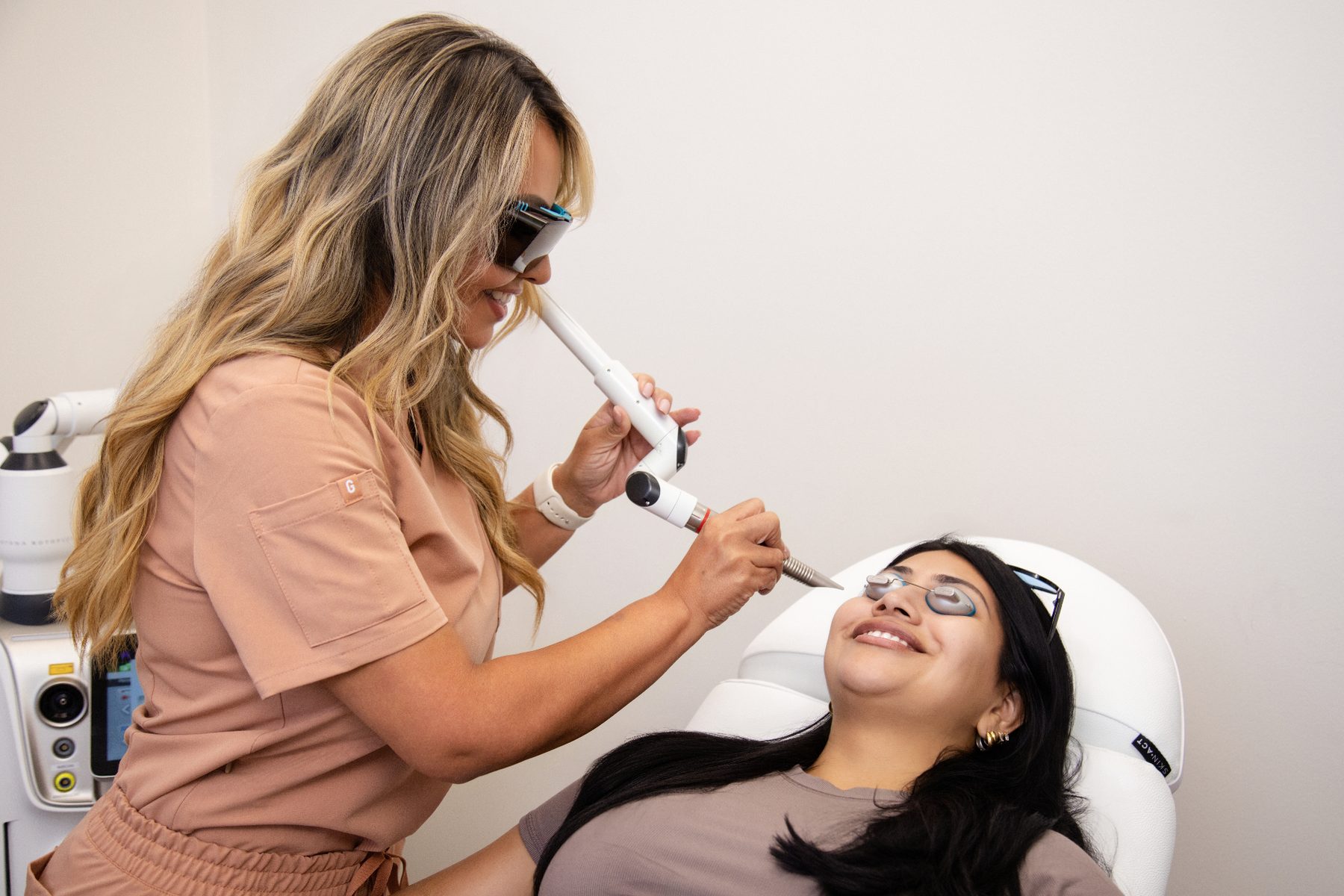
The name can sound like marketing until you understand the anatomy behind it. The four dimensions refer to four treatment modes that work at different depths and from different angles. One of the signature steps is an intraoral treatment, delivered from inside the mouth, usually targeting the cheeks and perioral region. That allows the provider to heat tissue where collagen support has weakened, without breaking the outer skin in that specific pass.
Other steps may include fractional treatment for texture, gentle bulk heating for collagen stimulation, and a final polish that improves radiance and surface smoothness. The exact naming of each mode may vary in how clinics explain it to patients, but the practical idea stays the same: stimulate, tighten, refine, and finish.
From a patient perspective, the sequence often feels more comprehensive than a standard laser facial. There is usually warmth, a prickling sensation during resurfacing phases, and a fuller feeling around the cheeks afterward. That sensation tends to settle fairly quickly, but it is one reason people often describe the treatment as more substantial than a lunchtime facial, even when downtime remains manageable.
The concerns it tends to treat well
Not every face needs surgery, and not every face will get enough from skincare alone. Fotona 4D sits in the middle ground. It can be a strong fit for people who are starting to see softening but are not ready for a facelift, or for those who want to maintain results after other procedures.
The treatment tends to be considered for concerns such as:
- mild to moderate skin laxity in the cheeks and jawline
- fine lines around the mouth and eyes
- textural roughness or enlarged pores
- dull tone with early signs of collagen loss
- crepey skin that looks tired even after rest
That does not mean every concern responds equally. Deep jowling, heavy neck laxity, or significant skin redundancy usually require a different discussion. A good provider will say that plainly. One of the more common disappointments in aesthetic medicine happens when a collagen-stimulating treatment is expected to replace surgery. It cannot. What it can do, in the right candidate, is improve the quality and snap of the skin enough that the face looks firmer, fresher, and more rested.
Who is usually a strong candidate in Encino
Encino tends to draw a broad aesthetic patient population. Some people are camera-facing professionals who want refinement without obvious downtime. Others are in the maintenance phase, already using neuromodulators, fillers, peels, or medical-grade skincare and looking for something that supports collagen more directly. Then there are patients who have done very little and simply want to start with a non-surgical option that does more than a spa facial.
A Fotona 4D Laser Facial (TimeWalker) Encino, CA strong candidate usually has realistic expectations, a stable skincare routine, and concerns that match what the device is built to treat. Skin quality matters here. So does the degree of laxity. Timing matters too. If someone has a major event in a week, a treatment involving redness and temporary swelling may not be ideal, especially if a resurfacing pass is included.
Skin type also deserves careful attention. Laser selection and settings should always account for pigment risk, recent sun exposure, melasma history, and whether the patient forms post-inflammatory hyperpigmentation easily. In Southern California, where incidental sun exposure is hard to avoid, this part of the consultation is more important than many people realize. A patient can be diligent and still pick up enough UV exposure walking the dog or driving with the sun on one side of the face to affect treatment planning.
What a session typically feels like
The experience is usually easier than patients fear, but more active than they expect from the word “facial.” Most providers begin with a clean face and a review of goals, then adjust treatment intensity based on skin sensitivity, prior procedures, and downtime tolerance. A topical numbing cream may be used for some parts of the treatment, especially if a more noticeable resurfacing component is planned.
The intraoral step often surprises first-time patients. It is not painful in the way people imagine, but it is a distinct sensation, warm and unusual, because the handpiece is working inside the mouth against the cheek tissue. The external passes vary. Some feel like heat building in the deeper layers, while others create a more prickly or snapping sensation on the surface.
Treatment length depends on how comprehensive the session is and whether the neck or eye area is included. In many practices, the appointment may take around 45 minutes to a little over an hour, plus prep time. Immediately afterward, the skin may look pink to red, and there can be mild swelling, especially through the midface and around the mouth. When a fractional component is used, the skin may feel rough or bronzed for several days as microscopic treated areas heal.
Downtime, recovery, and what patients often notice first
One reason the Fotona 4D Laser Facial (TimeWalker) Encino, CA search has become more common is that many patients want meaningful improvement without being off the grid for two weeks. Recovery is usually lighter than with an aggressive fully ablative laser, but it is not zero.
Most people notice three phases. First comes the immediate post-treatment period, when the skin feels warm and looks pink or flushed. Second comes a short recovery window, often a few days, where texture can feel dry or sandpapery and mild swelling may linger. Third comes the delayed improvement phase, where collagen remodeling gradually changes how the skin looks and feels over several weeks to months.
This delayed phase is worth emphasizing. Patients who are used to filler sometimes expect instant structural change. Laser collagen remodeling is slower. The benefit builds. I have seen patients feel underwhelmed at day five, then quite pleased by week six when the lower face looks subtly more compact and the skin reflects light more evenly. That timeline is normal.
The areas where providers often see the nicest improvement
While every treatment can be customized, certain zones tend to respond particularly well. The perioral area is one of them, especially in patients starting to see etched lip lines or a slight collapse around the mouth. The cheeks can also benefit, particularly when early laxity makes the face look flatter or heavier than it used to. The jawline sometimes sharpens modestly as the skin quality improves, though this is usually a soft refinement rather than a dramatic re-sculpting.
Under-eye texture can improve too, but that area demands restraint and experience. It is delicate, and not every patient is a candidate for significant energy there. People with very thin skin, substantial puffiness, or pigment issues around the eyes need a nuanced plan. This is where provider judgment matters more than the device itself.
How many treatments are usually needed
There is no honest one-size answer. Some patients see enough benefit from a single well-planned session to repeat it only a few times per year. Others do best with a series, especially if the starting point includes more texture, more laxity, or years of cumulative sun damage.
A common real-world approach is an initial series followed by maintenance, but the exact number depends on age, skin condition, energy settings, and whether other treatments are layered into the plan. Younger patients with mild concerns may respond quickly. Patients with more advanced collagen loss usually need more patience and a maintenance mindset.
This is also where consultation quality shows. If a provider promises a major lift from one treatment in a face with visible lower-face descent, be Fotona 4D Laser Facial (TimeWalker) Encino, CA cautious. Good aesthetic medicine is persuasive because it is accurate, not because it oversells.
Combining Fotona 4D with other treatments
In many offices, laser treatments work best as part of a broader plan. That does not mean everyone needs multiple procedures at once. It means the face often benefits when each concern is treated with the right tool. Dynamic forehead lines respond differently than static lip lines. Volume loss in the temples is not solved by resurfacing. Brown spots may need a separate pigment strategy.
A thoughtful provider may combine Fotona 4D with injectables, skincare, peels, or radiofrequency depending on the patient’s priorities. Someone preparing for a milestone event may focus on texture and brightness first. Someone more bothered by deflation may need volume restoration before the tightening result can really shine.
In practice, the best outcomes often come from restraint. A face that gets too many interventions too quickly can look inflamed, overfilled, or simply overworked. The smartest plans respect timing, tissue recovery, and the patient’s actual life. If there is an upcoming wedding, board presentation, or travel schedule, that should shape sequencing.
What to ask during your consultation
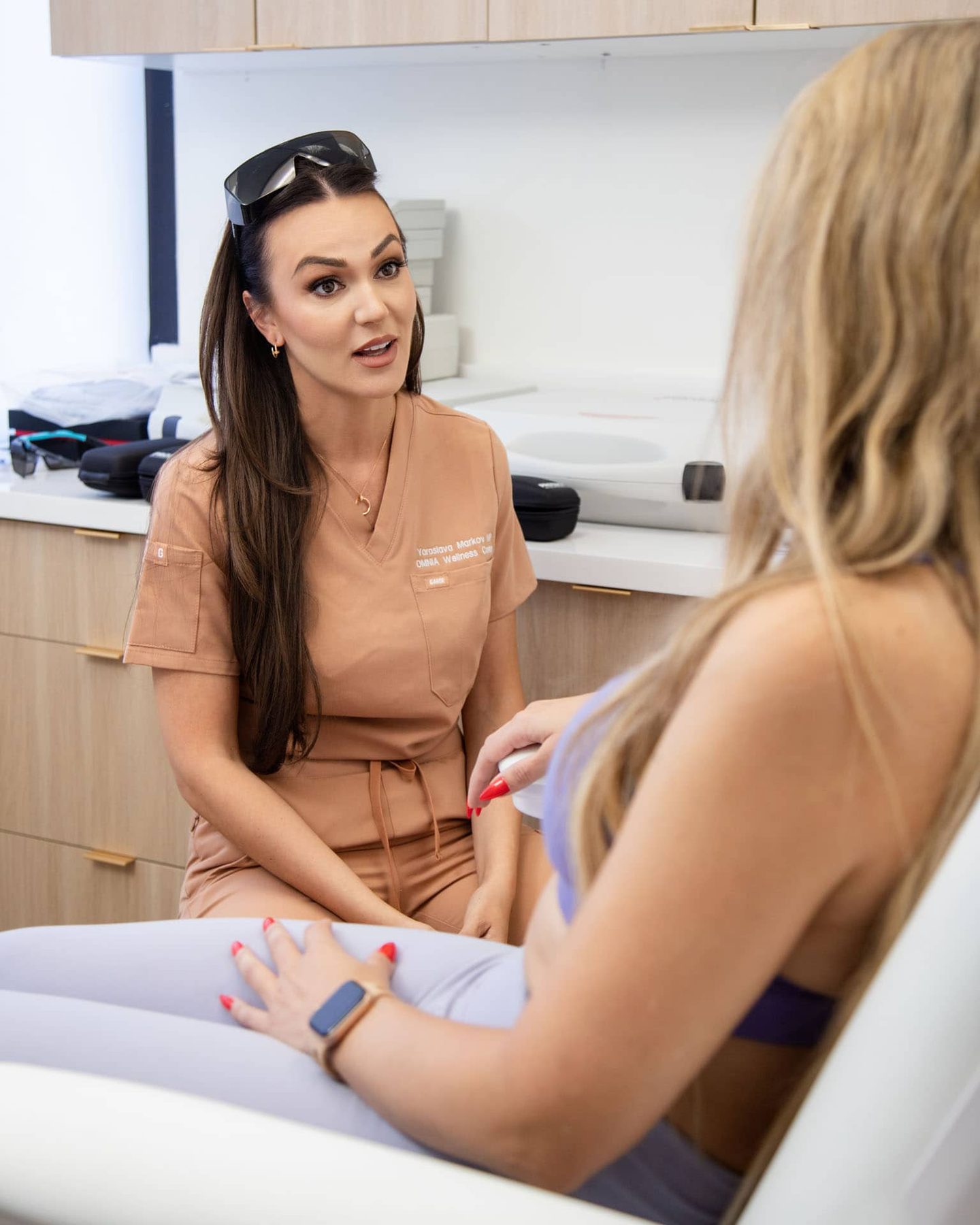
Patients often come in focused on the treatment name, but the better conversation is about candidacy, settings, and goals. Devices matter, but evaluation matters more. A useful consultation should leave you clearer about what the laser can and cannot do for your face.
Ask about these points:
- whether your main concern is a good match for Fotona 4D versus another treatment
- how much downtime to expect with the specific settings planned for you
- how many sessions are realistic for your level of laxity or texture
- what pre-treatment steps reduce pigment risk or irritation
- whether maintenance will be needed, and on what timeline
Those questions tend to reveal whether the provider is tailoring treatment or reciting a script. If answers stay vague, keep looking.
Practical prep makes a difference
Preparation is rarely glamorous, but it affects outcomes. Recent tanning, active irritation, harsh exfoliants, and poorly controlled rosacea can all complicate treatment. If you are prone to cold sores, that needs to be disclosed ahead of time because laser around the mouth can trigger a flare in susceptible patients. Medication history matters too, including isotretinoin history, photosensitizing drugs, and anything that affects healing.
In Encino, sun habits deserve special mention. Even careful patients underestimate how much exposure they get driving, walking from parking lots, or sitting near windows. A provider may advise postponing treatment if the skin is freshly tanned or if there is visible inflammation from recent sun. That is not being overly cautious. It is basic laser safety.
Good skincare before and after treatment also shapes the result. A bland, supportive routine often beats an ambitious one. Patients who stop irritating actives for the recommended period and use a gentle cleanser, moisturizer, and diligent mineral sunscreen usually recover more smoothly than those who keep experimenting with acids and retinoids through the healing phase.
The trade-offs people should understand
Every treatment worth doing comes with trade-offs. Fotona 4D offers versatility and relatively manageable downtime, but it is not the strongest option for every single concern. If someone wants dramatic tightening in a heavier lower face, surgery remains the more powerful tool. If someone mainly has pigment and very little laxity, a different laser or peel may be more efficient. If someone has severe acne scarring, more focused scar protocols may be necessary.
There is also the question of patience. Collagen treatments reward people who can wait for tissue remodeling. They are less satisfying for patients who want a same-day transformation. Another trade-off is maintenance. Skin keeps aging. Even excellent results fade gradually unless they are supported by good skincare, sun protection, and periodic follow-up treatments.
Cost enters the discussion too. While pricing varies by provider, region, and whether add-on areas are treated, the value of the procedure should be judged by customization and results, not by a bargain headline. A discounted laser treatment done with generic settings can be expensive in the wrong way if it leads to underwhelming results or avoidable complications.
Why provider experience matters more than the menu
A laser platform can be impressive on paper and mediocre in careless hands. What matters is how well the provider reads the face, selects settings, sequences treatment, and adjusts for skin type and healing behavior. This is particularly true with a device intended to work across multiple tissue depths.
An experienced clinician knows when to push and when to hold back. They know that a patient with delicate barrier function may need a gentler resurfacing component. They know that a subtle improvement delivered safely is better than an aggressive pass that triggers prolonged redness or pigment issues. They understand that a face with volume loss may need a very different plan from a face with strong bone structure but early laxity.
That level of judgment is what patients are really paying for when they seek a Fotona 4D Laser Facial (TimeWalker) Encino, CA treatment from a reputable aesthetic practice. The machine is part of the story. The medical eye behind it is the larger part.
What results tend to look like when they are done well
The best Fotona 4D outcomes are often the ones that do not immediately announce themselves as “laser work.” The face looks smoother, the skin looks denser, makeup sits better, and the contour appears a little tighter along the lower cheeks and jaw. Friends may say you look well-rested or ask if you changed your skincare. That kind of feedback usually signals that the treatment improved tissue quality without making the face look altered.
The effect is often especially pleasing in motion. Static photos matter, but real life happens in conversation, at dinner, under uneven lighting, and from unflattering angles in the car mirror. When collagen support improves, the skin tends to move a bit better with the face rather than folding and catching light in the same tired way. That is subtle, but patients notice it.
For anyone considering this treatment, that is probably the most useful expectation to keep in mind. Fotona 4D is not about turning back the clock twenty years in one appointment. It is about restoring some of the firmness, smoothness, and polish that early aging takes away, then maintaining that improvement intelligently over time. For the right candidate, with the right provider, that can be a very worthwhile investment in facial contour and skin quality.
OMNIA Wellness Center
16430 Ventura Blvd Ste 207, Encino, CA 91436
Phone: +1 818-386-8511
FAQ About Fotona 4D Laser Facial (TimeWalker) Encino, CA
What is a Fotona laser good for?
Fotona lasers support several different aesthetic protocols. The Fotona 4D facial uses two wavelengths and four treatment modes to address concerns such as fine lines, skin texture, and mild laxity. OMNIA Wellness Center offers the TimeWalker facial with an individual consultation. Suitability and likely improvement depend on the person's skin and goals; results are not guaranteed, and this treatment does not reproduce a surgical facelift.
How much does a Fotona laser treatment cost?
The cost depends on the treatment protocol, areas treated, number of sessions, and provider's assessment. Ask OMNIA Wellness Center for a current written quote that explains what is included, whether follow-up is included, and any proposed package terms. An individualized estimate is more useful than assuming that one advertised price applies to every facial treatment.
How much downtime is there after a Fotona laser procedure?
Recovery varies with the specific protocol and intensity. Fotona describes its 4D facial as having little to no downtime, but temporary redness or sensitivity can occur, and a stronger surface treatment can require more recovery. Ask the treating clinician what to expect from the planned settings, how to care for the skin afterward, and when to contact the clinic with concerns.