A Beginner’s Guide to Fotona 4D Laser Facial (TimeWalker)
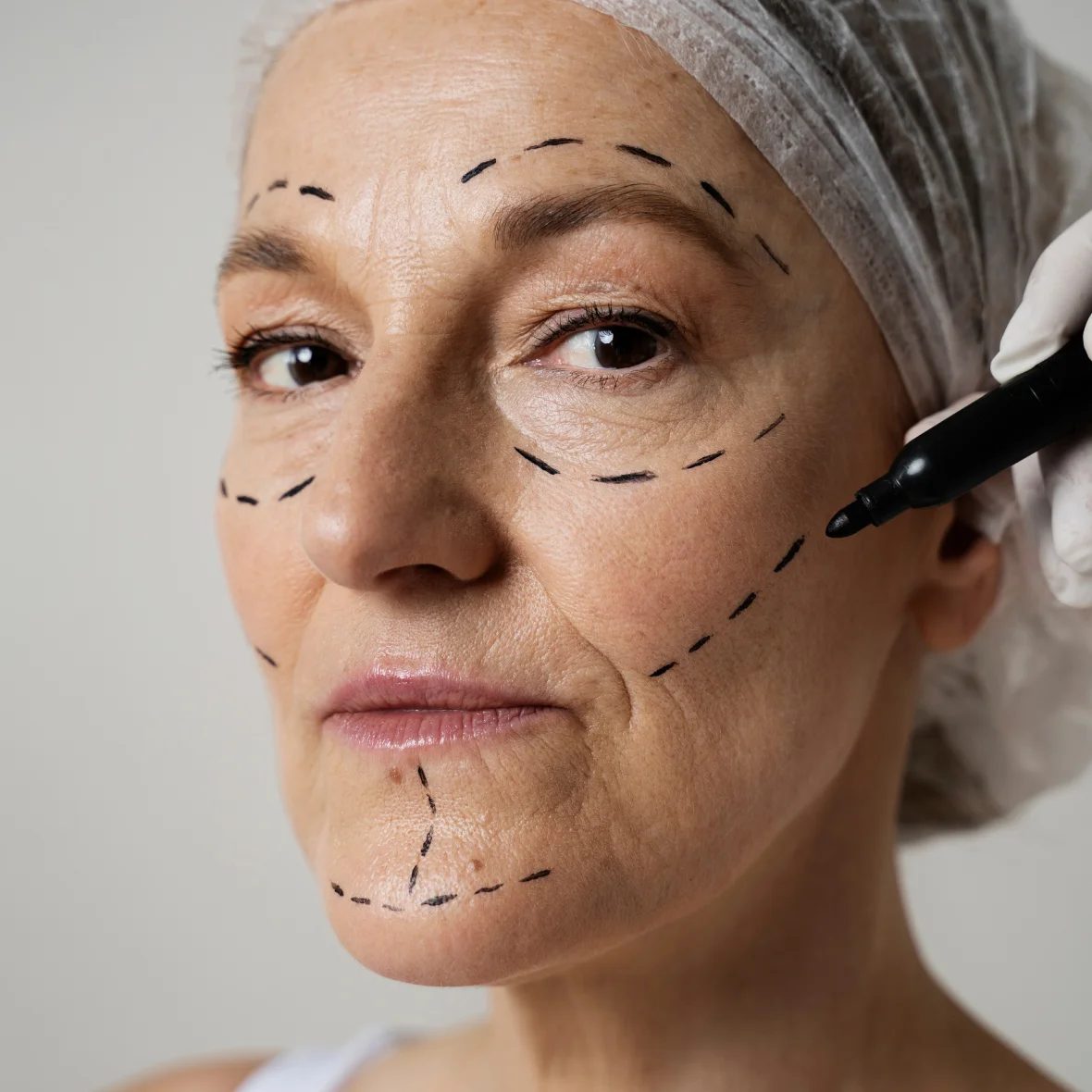
If you have been researching non-surgical skin rejuvenation, you have probably noticed that many treatments promise the same things: firmer skin, smoother texture, fewer lines, and little to no downtime. The challenge is that not all laser treatments work in the same way, and the differences matter. A Fotona 4D Laser Facial (TimeWalker) stands out because it is not one single pass with one single goal. It is a layered treatment that works both inside the mouth and on the surface of the skin, using different laser modes to target tone, texture, laxity, and overall skin quality in a coordinated way.
That sounds technical, and it is, but the patient experience is usually more straightforward than the name suggests. Most people want to know four things: what it is, how it feels, who it helps, and whether the results justify the cost and time. Those are the right questions. The best outcomes with this treatment come from understanding what it can realistically do, not expecting it to replace surgery or deep resurfacing when those are actually needed.
What the treatment actually is
Fotona is a laser platform, and TimeWalker is the broader treatment concept often associated with facial rejuvenation protocols on that platform. The Fotona 4D Laser Facial (TimeWalker) combines several stages of laser energy delivery, each designed to address a different tissue depth or concern. That is the reason for the “4D” label. It refers to four dimensions, or more practically, four modes of treatment layered into one session.
What makes it different from many facials marketed as “laser facials” is that this is not simply a light peel with a fancy name. One part is delivered inside the mouth to heat tissue and support tightening around the nasolabial area and lower face. Other parts focus on superficial and deeper skin remodeling from the outside. The overall aim is collagen stimulation, gentle tightening, improved circulation, textural refinement, and a fresher surface appearance.
Clinics may vary slightly in how they package or describe the treatment. Some emphasize lifting and tightening. Others position it as a no-downtime rejuvenation facial for tired, crepey, or early aging skin. Both descriptions can be fair, provided expectations stay grounded. It is usually best for people who want visible improvement without the downtime and risk profile of more aggressive ablative procedures.
Why the “inside the mouth” step gets so much attention
The intraoral step tends to surprise first-timers, partly because it sounds unusual. In practice, it is one of the more interesting parts of the protocol. A handpiece is used inside the mouth, usually along the cheeks and around the lip support structures, to gently heat tissue. Patients often describe the sensation as warm, odd, and very tolerable. It is not typically the painful part of the session.
The reason clinicians like this step is anatomical, not gimmicky. Aging in the lower face is not only a surface problem. Support changes happen beneath the skin, and treating the tissue from the mucosal side can complement external tightening. This is not a substitute for surgery in someone with heavy jowling or significant sagging, but in the right patient it can create a subtle tightening effect and contribute to a smoother look around smile lines and the lower face.
I have seen people walk in expecting dramatic contouring and leave underwhelmed when they are not warned properly. I have also seen patients with mild laxity, early mouth lines, and a generally tired appearance look noticeably fresher after a series. The difference is almost always expectation setting.
The four stages, explained in plain English
Although exact branding and sequencing can vary by clinic, a standard Fotona 4D Laser Facial (TimeWalker) often includes four components. Each has a different job.
The first stage is usually the intraoral tightening step. As mentioned, this targets tissue from inside the mouth, with the goal of collagen remodeling and support in the perioral and lower face area.
The second stage often delivers controlled heat more deeply from the outside of the skin. This is where tightening and collagen stimulation begin to build in the dermis. Patients often feel warmth and repeated snapping or tapping sensations, but it is usually manageable without major downtime.
The third stage tends to focus on more superficial textural refinement. This can help with enlarged pores, roughness, and fine lines. Depending on settings, it may leave the skin pink for a day or two and sometimes give it that slightly dry, bronzed feel before smoother skin comes through.
The fourth stage is frequently a light polishing or finishing mode intended to improve glow and surface uniformity. This final pass often leaves people looking mildly flushed right away, followed by a fresher appearance over the next several days.
One reason this combination appeals to patients is that it addresses several common concerns in one appointment. Someone with mild laxity, textural change, dullness, and early lines may not need separate treatments for each issue. That said, one session is rarely the whole story.
What concerns it tends to treat best
This treatment shines in the “not ready for surgery, not interested in downtime” category. If your skin has started to lose some snap, your makeup sits less smoothly than it used to, or your face looks more tired than rested even when you have been sleeping well, this can be a strong middle-ground option.
It is commonly used for softening fine lines around the mouth, improving skin tone and texture, reducing a crepey quality in the cheeks, and giving a mild tightening effect in the lower face. It can also brighten dull skin and make pores look less obvious. People in their thirties through fifties often fit this category best, though age is less important than skin condition.
It can also be a smart maintenance treatment for someone who has had injectables, Fotona 4D Laser Facial (TimeWalker) radiofrequency treatments, or previous resurfacing and wants to preserve skin quality. Good skin does not come from one miracle session. It usually comes from layers of reasonable care over time, and this treatment can be one of those layers.
What it does not do well
This is the part too many clinics rush past. A Fotona 4D Laser Facial (TimeWalker) is not the ideal answer for every face or every goal.
If you have deep static wrinkles, prominent skin laxity, heavy jowls, or a significant amount of excess skin under the chin, you may find the results too subtle on their own. If your main concern is deep acne scarring, very pronounced pigmentation, or advanced sun damage, another laser protocol may be more suitable, or your provider may recommend combining approaches over time.
Likewise, if you are expecting the dramatic peel and reset effect associated with stronger ablative resurfacing, this is usually not that treatment. It can improve texture and fine lines, but it is generally chosen because it balances results with lower downtime, not because it pushes to the most aggressive endpoint possible.
That trade-off is important. Gentler usually means easier recovery. Easier recovery usually means more modest change per session.
Who tends to be a good candidate
A consultation should always come first, especially if you have rosacea, melasma, a history of post-inflammatory hyperpigmentation, active acne flares, cold sores, or are using prescription retinoids. Skin type and medical history shape treatment settings and sometimes determine whether this is the right option at all.
A good candidate often looks like this:
- mild to moderate skin laxity rather than severe sagging
- fine lines, uneven texture, or enlarged pores that would benefit from collagen stimulation
- realistic expectations about gradual improvement
- willingness to complete a series if recommended
- no active infection, open wounds, or major contraindication at the time of treatment
Those details may seem obvious, but they matter more than marketing photos. The best laser result is often the result that was chosen carefully, not the one with the flashiest promise.
What a session feels like
The answer depends on the stage of the treatment, your pain tolerance, and whether your clinic uses topical numbing. Some providers numb, some do not, and some only numb selectively. It is reasonable to ask ahead of time. Most patients rate the discomfort as tolerable rather than intense, but that covers a lot of ground.
The intraoral part feels warm and unusual. The deeper tightening phases from the outside can feel hot in brief pulses. The more superficial resurfacing component may sting more, especially around the upper lip, cheeks close to the nose, and bony areas. If you have ever had laser hair removal or a light fractional treatment, the sensation is in that general family, though not identical.
Immediately after treatment, the skin is often pink or red, warm, and slightly puffy. Some people look as if they exercised hard or spent a little too much time in the sun. Others have only mild redness that settles within hours. By the next day, the skin may feel dry, sandpapery, or tight. A few days later, many patients notice a smoother feel and a cleaner-looking surface.
Downtime, recovery, and the first week
Downtime is usually one of the main selling points, and for many patients it is manageable. “No downtime,” however, can be misleading. Most people can return to normal routine quickly, but that does not always mean they look camera-ready the same day.
Redness often lasts from several hours to a couple of days, depending on settings and skin sensitivity. Mild swelling can happen, particularly around the cheeks and under-eye area. Some patients develop a temporary rough texture as the skin turns over. Makeup may be possible the next day, sometimes the same day if your provider approves, but many people prefer to keep the skin bare and calm for a bit.
Aftercare is usually simple:
- keep the skin hydrated with a bland moisturizer
- use broad-spectrum sunscreen diligently
- avoid heat exposure, intense workouts, and saunas for a short period if advised
- pause harsh actives such as retinoids or exfoliating acids until the skin settles
- follow any antiviral or tailored instructions if you are prone to cold sores
This is one of those treatments where doing the boring basics well makes a difference. I have seen excellent laser work dulled by poor sun protection in the week afterward. Freshly treated skin is not the time to experiment with strong acids, scrubs, or trendy actives.
How many sessions people usually need
A single session can give the skin a fresher, more rested look, especially before an event, but the more meaningful tightening and collagen-related changes usually build over time. Many clinics recommend a series of three treatments, spaced several weeks apart, then maintenance based on your goals and how your skin responds.
That recommendation is not just a sales tactic, though it can certainly be presented that way in some settings. Collagen remodeling is gradual. The skin needs time to respond, and cumulative treatment often produces a more coherent result than one isolated appointment.
If your goal is event prep, one session may make sense. If your goal is structural improvement in skin firmness and fine lines, a series is more realistic. It helps to decide upfront whether you are looking for a glow treatment or a true rejuvenation plan, because the budget and timeline differ.
How results tend to show up
One reason patients sometimes misread their own results is that the benefits arrive in layers. The early effect is often brightness, smoother texture, and a healthy post-treatment flush that settles into clearer-looking skin. The later effect, over weeks to months, is the quieter one: skin feels a little denser, makeup sits better, and lines may look softer in ordinary lighting.
This treatment rarely produces the kind of dramatic “before and after” that shocks people who know your face well. More often, it creates the sort of improvement that leads to comments like, “You look rested,” or “Your skin looks really good lately.” For many patients, that is exactly the point.
Subtle does not mean insignificant. In aesthetics, natural-looking improvement is often more durable socially than dramatic change. The problem comes when subtle is sold as transformative. It can be transformative for mild concerns. It is not a facelift in disguise.
Cost, value, and the question people hesitate to ask
Pricing varies widely by clinic, location, provider experience, and how comprehensive the treatment is. Because this is a platform-based procedure with different possible settings and add-ons, you may find a surprisingly broad price range. Some clinics price per session, others as a package of three, and some bundle it with skincare or adjunctive treatments.
Value depends on the match between the treatment and your goals. If you are the right candidate and want gradual, low-downtime rejuvenation, it can be worth it. If your skin concerns are better addressed by a different laser, microneedling radiofrequency, injectables, or surgery, the same money may go further elsewhere.
This is why consultation quality matters so much. A strong provider should be able to explain not only why this treatment could help, but also why they are choosing it over other options. If every concern somehow leads to the exact same package, be careful.
How it compares with other common options
Patients often cross-shop this treatment against chemical peels, microneedling, radiofrequency, IPL, and more aggressive fractional lasers. There is no universal winner. It depends on the problem being treated.
Compared with a light peel, a Fotona 4D Laser Facial (TimeWalker) usually aims deeper and can offer more tightening benefit. Compared with microneedling, it may feel more high-tech and can target tissue differently, especially with the intraoral component. Compared with IPL, it is not primarily a pigment-focused light treatment, though some patients notice general improvement in skin tone. Compared with ablative fractional resurfacing, it usually offers less downtime and less dramatic correction per session.
That balance is the real niche here. It sits in the category of meaningful, but not extreme. For patients who want improvement and still need to work, socialize, and function normally, that can be exactly right.
Questions worth asking at your consultation
A productive consultation is not just about hearing benefits. It is about learning how the provider thinks. Ask what concerns they are targeting on your face specifically. Ask how many sessions they believe you will need. Ask what kind of downtime is typical in their hands, not just in a brochure. Ask what risks they watch for in your skin type.
It is also reasonable to ask whether there are better alternatives for your main concern. If your provider says this is perfect for texture, sagging, pigment, deep scars, under-eye hollows, and neck laxity all at once, skepticism is healthy. Good aesthetic medicine is precise. It is not one-size-fits-all.
Risks and side effects beginners should know
When performed appropriately, the treatment is generally well tolerated, but “generally well tolerated” does not mean risk-free. Temporary redness, swelling, dryness, and sensitivity are common. Acneiform breakouts can happen in some people, especially if heavy occlusive aftercare is used. Patients prone to cold sores may need preventive medication if the perioral area is treated.
More significant complications are less common but matter to discuss. Any energy-based treatment carries some risk of post-inflammatory pigment change, especially in more reactive or melanated skin if settings are not chosen carefully. Infection is uncommon but possible if aftercare is poor or the skin barrier becomes irritated. Rarely, a patient may simply feel the result did not justify the discomfort or cost, which is not a medical complication but is still a real outcome.
The practical lesson is simple: choose the provider at least as carefully as the treatment. Devices matter, but judgment matters more.
A realistic way to decide if it is right for you
The easiest way to think about this treatment is to place it in the middle of the rejuvenation spectrum. It is more sophisticated and usually more results-driven than a basic facial or superficial peel. It is less aggressive than major resurfacing or surgery. That middle ground is where it performs best.
If you want a fresher look, smoother texture, some tightening, and minimal interruption to daily life, a Fotona 4D Laser Facial (TimeWalker) can be a very sensible place to start. If you need major lifting or correction of deep structural aging, you may need a different plan. There is no shame in that. Matching the treatment to the face is what good medicine looks like.
Beginners often think the hardest part is tolerating the laser. Usually the harder part is sorting through overpromises. When the treatment is chosen thoughtfully, explained honestly, and performed well, it can be an elegant option for people who want visible, natural skin improvement without taking a week off to recover. That is not hype. It is simply the value of a treatment that knows exactly where it fits.
OMNIA Wellness Center
Address: 16430 Ventura Blvd Ste 207, Encino, CA 91436
Phone: (818) 386-8511
FAQ About Fotona 4D Laser Facial (TimeWalker)
What are the benefits of Fotona laser treatment?
OMNIA offers this treatment for concerns such as uneven texture, dull tone, and fine lines. Results and the number of sessions vary, so discuss your goals with a provider.
Is Fotona laser safe?
A qualified provider should review your skin, medical history, medications, and recent sun exposure to determine whether the treatment is appropriate. Ask about possible irritation, pigment changes, and aftercare before booking.
How much does a Fotona 4D facelift cost?
Price depends on the treatment plan and number of visits. Ask OMNIA for an itemized estimate during your consultation.